“Connecting Places Through Pincodes.”
“Connecting Places Through Pincodes.”
Tirupati Pincode – 517501
Tirupati Pincode – 517501
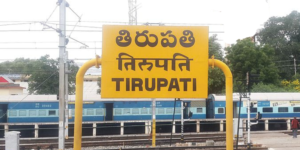
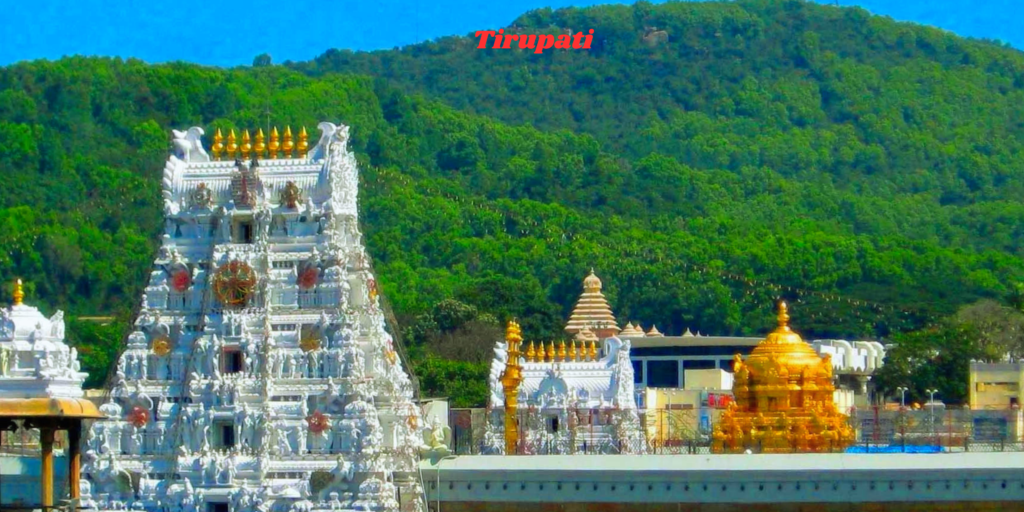
Tirupati, a remarkable city located in Chittoor district of Andhra Pradesh, in India. It is renowned not only for its religious significance, especially the world-famous Sri Venkateswara Temple, but also for its rich cultural and educational tradition. While millions travel to Tirupati each year for spiritual purposes, what often goes unnoticed is the vital role that the city’s postal system plays in supporting its infrastructure. One key aspect of this system is the Tirupati pincode system, which is crucial for ensuring efficient delivery of mail, products, and services throughout the city. Understanding the Tirupati pincode system is essential for residents, businesses, and tourists alike, as it facilitates smooth logistics, communication, and access to government services.
Tirupati Pincode 517501
| Name of the Location | Pincode | Included Areas | District | State |
| Chandragiri | 517101 | Chandragiri Fort | Chittoor | Andhra Pradesh |
| Tirupati -Main City | 517501 | Alipiri, Reddy Street, and Balaji Colony | Chittoor | Andhra Pradesh |
| Tirupati West | 517502 | Tirupati West, Madhuranagar, and Raghavendra Nagar. | Chittoor | Andhra Pradesh |
| Tirupati East | 517507 | Chandragiri Road, Ravindra Nagar, and Srinivasa Colony | Chittoor | Andhra Pradesh |
| Tirupati North | 517509 | Tirupati North, Tirupati Road, and Srinivasa Nagar | Chittoor | Andhra Pradesh |
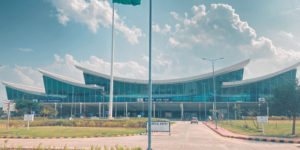
| Tirupati Airport | 517520 | key transportation point for pilgrims visiting the city | Chittoor | Andhra Pradesh |
| Pallavoy | 517532 | residential area in the suburban part of Tirupati | Chittoor | Andhra Pradesh |
| Tirumala (Temple Area) | 517536 | Sri Venkateswara Temple | Chittoor | Andhra Pradesh |
| Kapilatheertham | 517561 | It’s an important religious location near Tirupati | Chittoor | Andhra Pradesh |
| Siddavatam | 517587 | it is still within the city’s postal network | Chittoor | Andhra Pradesh |
Tirupati Historical Development
Tirupati emerged as a significant religious and urban center from the 6th century CE, when it was developed under the Pallava dynasty. Over time, the city grew into a major hub of Vaishnavism, attaining particular prominence during the 11th century under the influence of the philosopher-saint Ramanujacharya. From Tirupati, the doctrine of Srivaishnavism spread to other parts of Andhra Desa. The importance of Tirupati as a Srivaishnava center is evidenced by an inscription at the Srikurmam Temple in present-day Srikakulam district, which refers to the town as “Tirupati Srivaishnavula Raksha”.
For much of the medieval era, Tirupati formed part of the Vijayanagara Empire until the 17th century. The rulers of this empire made substantial contributions to the development and prosperity of the temple town. Notable patrons included Krishna Deva Raya, Achyuta Deva Raya, Sadasiva Raya, and Tirumala Deva Raya, whose endowments significantly enhanced the religious and architectural stature of Tirupati.
Epigraphical and Cultural Significance
The Sri Venkateswara Temple at Tirumala stands as a remarkable repository of historical records, bearing approximately 1,150 inscriptions in Sanskrit, Tamil, Telugu, and Kannada. These inscriptions reflect the patronage of multiple dynasties:
- 236 inscriptions belong to the Pallava, Chola, and Pandya dynasties
- 169 inscriptions are attributed to the Saluva dynasty
- 130 inscriptions belong to the period of Sadasiva Raya
- 135 inscriptions originate from the Aravidu dynasty
Collectively, these records document royal grants, temple endowments, administrative practices, and religious offerings, highlighting the sustained importance of Tirupati from the 9th century CE (Pallavas) through the 10th century CE (Cholas) and into the Vijayanagara period (14th century CE onwards).
In the 15th century, the town’s spiritual legacy was further enriched by Tallapaka Annamacharya, who composed numerous devotional songs (kirtanas) in Telugu praising Lord Venkateswara and the sacred landscape of Tirupati. His works remain a cornerstone of South Indian devotional literature.
the medieval period, Tirupati remained under the control of the Vijayanagara Empire until the 17th century. The Vijayanagara rulers were major patrons of the town and its temples, donating vast wealth and resources. Prominent among them were Krishna Deva Raya, Achyuta Deva Raya, Sadasiva Raya, and Tirumala Deva Raya, whose contributions greatly enhanced the religious, economic, and architectural prominence of Tirupati.
 Tirupati pincode 517501